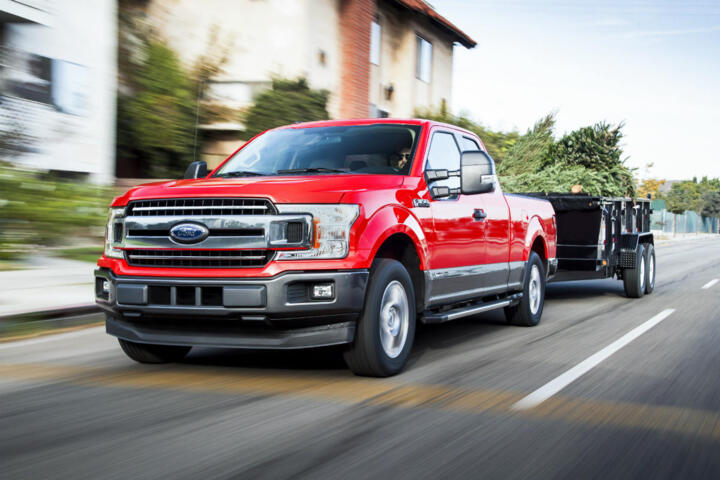
Diesel Vs Gas Buyer Fit
Diesel and gasoline pickups can both tow, haul, and commute, yet they reward different ownership habits. Diesel engines typically trade higher upfront cost and more complex emissions hardware for stronger low-end torque and often better fuel economy under steady loads. Gas engines usually cost less to buy and maintain, then shine when driving is light, stop-and-go, or short-trip frequent. The best choice depends on how you use the truck, not on fuel prices alone.
For example, a contractor who tows a loaded trailer for 6–8 hours on weekdays often benefits from diesel’s torque and highway efficiency, especially on routes with consistent speeds. A family that drives 8–12 miles to school and errands, then rarely tows, may find gasoline’s simpler emissions system and lower maintenance friction match their routine better. Even within the same model line, trim level and axle ratio change the math, so you need to look at your specific configuration.
Main Buyer Misreads
Many comparisons start with a single number like “diesel gets better mpg,” then ignore the conditions that produce that result. Diesel fuel economy tends to improve most when the engine runs at moderate load for long stretches. Short trips can reduce the advantage because diesel engines still need to manage emissions after cold starts, and the aftertreatment system may not reach the temperatures that burn off soot efficiently.
Another common misread is treating towing as a binary switch. Towing frequency matters, but so does how often you tow at low speeds, climb grades, or idle at job sites. Diesel torque helps you hold speed with less throttle, which can reduce stress on the drivetrain and keep the engine in a more efficient operating band. Gas engines can tow effectively too, yet they often rely on higher rpm and more frequent downshifts to maintain grade speed, which changes fuel use and wear patterns.
Emissions equipment is the dependency most people skip. Modern diesels use systems such as diesel particulate filters (DPF) and selective catalytic reduction (SCR) with diesel exhaust fluid (DEF). These components add maintenance items and potential repair costs if soot loading, DEF quality, or sensor performance goes out of range. Gas engines also use emissions controls, but the hardware and operating constraints differ, especially around cold starts and long idle periods.
Fuel price comparisons also fail when they ignore how you actually drive. A diesel’s advantage can shrink if you average low annual mileage, drive mostly in city traffic, or rarely tow. Conversely, gasoline’s lower purchase price can become less persuasive if you rack up high mileage and spend many hours towing where diesel’s efficiency shows up. The “right” answer shifts when you change your annual miles, trailer weight, and average speed.
How To Choose Wisely
Match Power To Your Use
Start with your towing and driving pattern, then map it to how each engine operates. If you tow heavy loads repeatedly—think weekly or daily—diesel’s torque curve often reduces the need for aggressive throttle inputs. If your towing is occasional and light, gasoline’s lower complexity can matter more than torque. A practical check is to list your last 10 towing trips: trailer weight, average speed, grade frequency, and whether you idle for long periods at the destination.
When you compare trims, confirm the axle ratio and transmission type. A diesel with a lower numerical axle ratio can feel less “busy” on the highway, while a gasoline setup geared for acceleration may spend more time at higher rpm during steady cruising. I’ve seen buyers focus on horsepower while ignoring gear ratios; it’s a small spec that changes real-world fuel use.
Estimate Total Cost, Not Just MPG
Use a simple ownership model: annual fuel cost plus expected maintenance and repair risk. Diesel typically carries higher upfront cost and may require DEF refills, DPF regeneration events, and more expensive parts if sensors or aftertreatment components fail. Gasoline often has lower upfront cost and fewer aftertreatment constraints, though it can still have costly repairs like catalytic converters or turbo components depending on engine design.
For a rough fuel estimate, use your current vehicle’s consumption as a baseline and adjust for towing. If your current truck averages 16 mpg unloaded and you tow a similar trailer weight, compare that to published or measured figures for the candidate powertrains under comparable conditions. If you can’t find comparable data, treat the estimate as uncertain and plan a range. On a spreadsheet, even a ±2 mpg swing can change the annual fuel difference by hundreds of dollars at 15,000–20,000 miles.
Plan For Emissions Behavior
Diesel buyers should understand how aftertreatment affects daily driving. DPF regeneration depends on exhaust temperature and engine load; frequent short trips can lead to soot accumulation and more active regeneration cycles. SCR systems depend on DEF quality and correct dosing; using contaminated or incorrect fluid can trigger warnings and derate behavior. If you live in a cold climate, cold-start frequency and idling time can shift how often the system needs to run.
Gas engines also have emissions systems, but the “maintenance by driving pattern” effect is usually less pronounced than with diesel DPF management. Still, gasoline turbo and direct-injection engines can face carbon buildup or oil-related issues depending on oil change intervals and driving style. A practical step is to review the owner’s manual guidance for oil viscosity, service intervals, and any diesel-specific notes about regeneration and DEF handling.
Check Warranty And Service Access
Ownership cost depends on where you service the truck and what the warranty covers. Diesel aftertreatment components can be expensive, so confirm coverage terms for emissions-related parts and the duration/mileage limits. Also check whether your local dealer or independent shop can service the specific diesel system without long delays; parts availability and technician familiarity affect downtime.
As a side observation, I’ve noticed buyers compare warranty length but ignore whether the warranty requires dealer service for claims. In the U.S., warranty terms vary by manufacturer and can include conditions tied to maintenance records. If you plan to do your own maintenance, verify what documentation is required before you assume coverage.
Educational Case Examples
Contractor With Weekly Towing
A contractor drives 22,000 miles per year and tows a 10,000–12,000 lb trailer five days a week. The route includes highway segments at steady speeds and occasional grade climbs. Diesel’s torque helps maintain speed with less downshifting, and the truck spends more time under moderate load where diesel efficiency tends to show. The buyer also idles 10–20 minutes at job sites, so they plan for aftertreatment behavior by avoiding repeated very short trips when possible.
In this scenario, the diesel’s higher purchase price can be offset by fuel savings and reduced driver effort during towing. The buyer still budgets for DEF and expects that regeneration events may occur during longer drives. If the contractor’s schedule changes to mostly short errands, the advantage can shrink quickly.
Family With Short Trips
A family drives 11,000 miles per year with most trips under 15 minutes, plus occasional weekend hauling of a small utility trailer. They rarely tow at highway speeds and seldom climb long grades. Gasoline’s lower upfront cost and simpler emissions management match the driving pattern, and the family avoids the diesel’s higher sensitivity to short-trip soot loading. They also value lower risk of aftertreatment-related warnings that can appear when the system cannot reach the temperatures needed for passive cleaning.
In this scenario, gasoline can be the better fit even if diesel offers better mpg on paper. The family’s decision hinges on how often they tow and how much time the engine spends at operating temperature.
Diesel Vs Gas Checklist
| Decision Factor | Diesel Tends To Fit | Gasoline Tends To Fit | What To Verify |
|---|---|---|---|
| Towing Frequency | Weekly or daily towing | Occasional towing | Trailer weight, grade routes, idle time |
| Trip Length | Longer drives that reach full temp | Short trips and stop-and-go | Cold-start frequency and typical commute |
| Fuel Cost Sensitivity | High annual miles, steady highway loads | Lower annual miles or mixed driving | Use your baseline mpg and towing mpg |
| Maintenance Risk | Aftertreatment care and DEF handling | Conventional service plus engine-specific items | Warranty terms and local service access |
| Upfront Budget | Higher purchase price accepted | Lower purchase price preferred | Compare total cost over 3–5 years |
Use this checklist like a filter, not a verdict. If your answers cluster strongly in one column, that powertrain usually matches your routine better. If your answers split evenly, the decision often comes down to how long you plan to keep the truck and how confident you feel managing diesel aftertreatment requirements.
Common Mistakes To Avoid
One mistake is comparing diesel and gas trucks with different equipment. A diesel may be paired with a different transmission, axle ratio, or wheel/tire package that changes fuel use and ride feel. If you compare only engine type, you miss the mechanical factors that drive mpg and towing behavior.
Another mistake is ignoring how you will drive during the week you do not tow. Diesel ownership can be smoother when the truck regularly reaches full operating temperature, which helps the aftertreatment system manage soot. If your calendar is mostly short trips, the diesel advantage can shrink, and warnings can become a recurring annoyance.
Buyers also underestimate the cost of “small” items. DEF is not expensive per refill, but it adds a habit and a potential quality issue if you store it incorrectly or buy from questionable sources. Gasoline buyers face their own “small” costs like oil changes and, depending on engine design, possible carbon-related service needs. The pattern matters more than the headline fuel economy.
Finally, people sometimes assume that a test drive proves long-term ownership. A 20-minute drive rarely shows aftertreatment behavior under repeated cold starts or long towing grades. If you can, ask for a cold-start demonstration or review how the truck behaves after a short drive in local conditions, then check the owner’s manual for regeneration guidance.
FAQ
Do Diesel Pickups Get Better MPG Only When Towing?
Diesel fuel economy tends to improve most under steady load and longer drives where the engine runs efficiently. Short trips can reduce the advantage because aftertreatment management may require additional fuel use during active regeneration.
What Maintenance Adds Cost On Modern Diesel Trucks?
Diesel maintenance often includes DEF handling and aftertreatment-related service items such as DPF cleaning or replacement if soot loading becomes excessive. Exact schedules depend on the manufacturer and your driving pattern.
Can Gasoline Trucks Tow Heavy Loads Reliably?
Gasoline pickups can tow heavy loads when properly equipped, with tow ratings tied to the specific engine, transmission, axle ratio, and cooling package. Fuel use and transmission temperatures can rise faster on grades, so towing strategy matters.
How Do Short Trips Affect Diesel Emissions Systems?
Short trips can prevent the exhaust from reaching temperatures needed for passive DPF cleaning. That can increase the frequency of active regeneration cycles and raise the chance of warning lights if the truck cannot complete regeneration.
Should I Choose Diesel If Fuel Prices Are High?
Fuel prices matter, but your annual mileage and towing frequency usually matter more. A diesel’s efficiency advantage can be outweighed by higher upfront cost and aftertreatment-related costs if your driving pattern does not match diesel’s strengths.
Author's Insight
Diesel and gasoline pickups differ less in “capability” and more in how they manage energy and emissions across real driving cycles. Diesel engines often deliver torque and efficiency under sustained load, yet their aftertreatment systems depend on exhaust temperature and driving duration. Gasoline engines usually keep ownership simpler for short-trip use, though fuel economy can drop sharply when towing heavy loads or climbing grades.
Because exact outcomes vary by model year, emissions strategy, and configuration, the safest approach is to compare total cost over your expected ownership period using your own trip lengths and towing habits. If you share your typical annual miles, average trip duration, and trailer weight, you can narrow the decision without relying on generalized mpg claims.
Key Takeaways
- Diesel fits buyers who tow often and drive long enough for aftertreatment to manage soot with fewer interruptions.
- Gasoline fits buyers who drive mostly short trips or tow only occasionally, where diesel’s emissions management can become a recurring constraint.
- Compare total cost using your baseline mpg and towing conditions, not just advertised mpg.
- Verify warranty coverage and local service access for emissions-related components before buying.
- Use a checklist based on trip length, towing frequency, and annual mileage to match the powertrain to your routine.