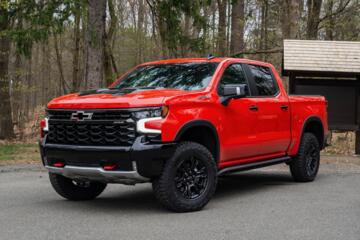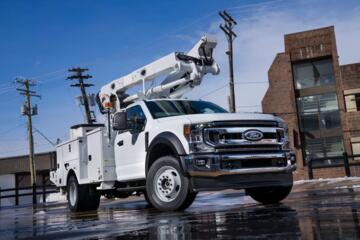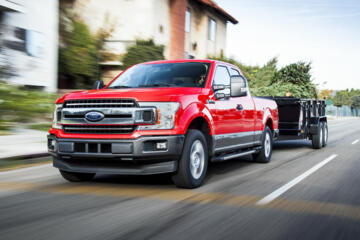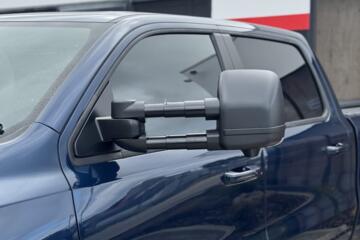
What a Towing Package Is
A towing package is a set of factory changes that raise a vehicle’s towing capability and reduce the risk of overheating or unstable trailer behavior. On many trucks and SUVs, it adds a hitch receiver, trailer wiring, upgraded cooling, and sometimes a different axle ratio or transmission calibration. A common baseline is a 2-inch receiver hitch and 7-pin trailer wiring, but the exact parts vary by model year and trim.
Skip the idea that “towing package” equals “ready for any trailer.” Trailer weight limits are constrained by payload, tongue weight, and the vehicle’s cooling and braking capacity. In the U.S., the typical passenger-vehicle towing limit often lands in the 3,500–7,500 lb range, while many half-ton pickups exceed 10,000 lb depending on configuration. The vehicle type matters more than many buyers realize because a unibody SUV and a body-on-frame truck manage heat, flex, and braking differently.
Real-world towing also changes fuel use. A 2018–2022 fleet-style pattern across many mainstream gas trucks and SUVs shows fuel economy dropping by roughly 30–50% when towing near the upper end of the rating, especially on grades. That drop is not a marketing number; it comes from higher engine load, added aerodynamic drag, and transmission downshifts. If you plan a 1,000-mile road trip, that difference can turn into hundreds of dollars in fuel.
Where Buyers Get It Wrong
People often focus on the maximum tow rating and ignore the payload math. Payload includes passengers, cargo, and the trailer’s tongue weight. If you load a family SUV with five people and gear, the remaining payload for the trailer can shrink fast, even when the tow rating looks high on paper.
Another frequent mistake is assuming the wiring harness matches the trailer’s needs. A vehicle may include a basic 4-pin connector, while your trailer needs 7-pin for electric brakes and auxiliary power. Electric trailer brakes can be required by law in some jurisdictions once the trailer exceeds certain weights, and they also reduce stopping distance. If your trailer has brakes and your vehicle only offers 4-pin, you end up adding adapters or a different harness, and it rarely feels clean.
Cooling is where “it tows” becomes “it tows safely.” Many towing packages add a larger radiator, an oil cooler, or a transmission cooler, but some trims without the package rely on smaller heat exchangers. Overheating shows up as transmission temperature warnings, reduced shift aggressiveness, or limp-mode behavior. That’s not a theoretical risk; it’s a common reason people stop mid-trip and wait for temperatures to drop.
Skip the assumption that the hitch alone is the package. A receiver can be bolted on later, but the factory package often includes wiring routing, brake controller compatibility, and calibration changes. Those details affect how the vehicle behaves under load, especially on long descents.
What to Verify and Buy
Receiver, hitch class, and fit
Check the receiver size and hitch class listed in the spec sheet, then compare it to your trailer’s coupler. A 2-inch receiver is common, but some vehicles use different mounting points or require a specific adapter. In practice, a Class III hitch typically supports common travel trailers, while Class IV is used on heavier setups; the rating depends on the vehicle, not just the hitch class.
Look for the correct mounting hardware and clearance around the bumper. On some crossovers, the hitch sits close to the exhaust or rear fascia, which can affect ground clearance when you back into a driveway. If you tow a boat, that clearance matters more than you expect.
Ask for the part number for the hitch assembly if the dealer can’t show it on the build sheet. I’ve seen “towing package” listings that include a receiver but omit the correct wiring bracket, which forces a second visit.
Trailer wiring: 4-pin vs 7-pin
Verify the connector type: 4-pin for basic lights, 7-pin for electric brakes and auxiliary circuits. Many factory towing packages include a 7-pin harness, but some trims include only a 4-pin pigtail. If your trailer has electric brakes, you need the brake signal circuit, not just tail lights.
In practice, a 7-pin harness reduces the number of adapters and splices. It also helps keep the brake controller wiring tidy, which matters because loose connections can cause intermittent brake operation. For a quick check, confirm the harness supports a brake controller plug and the vehicle’s towing mode wiring.
When you test, plug in a trailer light tester and cycle the turn signals. A simple $20–$40 tester can reveal a miswired ground before you hit the highway.
Brake controller compatibility
Confirm whether the vehicle includes a built-in brake controller or a factory wiring harness for one. Some vehicles offer an integrated controller with a specific trailer brake setting range, while others require an aftermarket controller. If you buy a controller, match it to the vehicle’s brake system type and the trailer’s brake voltage requirements.
Skip the plan to “figure it out later.” A controller installed without the correct wiring or calibration can cause brake drag or weak braking. That shows up as hotter trailer hubs after a short drive, or as longer stopping distances when you need braking most.
For example, a typical proportional controller uses a deceleration signal to modulate trailer braking. If the vehicle’s towing mode changes brake behavior, the controller settings may need adjustment after you switch modes.
Cooling upgrades and heat limits
Look for a larger radiator, an engine oil cooler, and a transmission cooler. Many towing packages add at least one additional heat exchanger, because transmission fluid temperature rises quickly under sustained load. On a 6–8% grade, the vehicle may downshift more often, which increases heat generation.
In practice, cooling upgrades reduce the frequency of thermal derates. Thermal derates show up as slower acceleration, higher engine RPM at steady speed, or warning messages. If your vehicle has a towing mode, confirm it changes shift strategy and fan behavior.
Check the engine size and cooling layout. A 3.5L V6 and a 5.3L V8 can both tow well, but the cooling capacity and transmission calibration differ by model. The build sheet usually lists the exact cooling components.
Transmission and axle calibration
Some towing packages include a different transmission tune, shift points, or a lower axle ratio. That matters because towing often requires frequent torque delivery at mid-range RPM. A lower axle ratio can reduce engine RPM on flat roads, but it can also change how the vehicle downshifts on grades.
In practice, you’ll notice different behavior when you press the accelerator on a hill. The vehicle may hold a gear longer, which keeps torque available and reduces hunting. If you tow a 5,000 lb trailer behind a 2.0L turbo SUV, the calibration can be the difference between steady progress and constant downshifts.
Ask whether the package includes a transmission oil cooler and whether the towing mode is available with your specific engine. Some combinations exist only with certain powertrains, and the dealer inventory photos often hide those differences.
Stability control and sway management
Factory towing packages often add trailer sway control logic that uses wheel-speed sensors and yaw/steering inputs. Some systems apply individual brakes to reduce sway and adjust throttle response. The hardware may already exist in the vehicle, but the towing package can change how the system reacts when a trailer is detected.
In practice, sway control works best when the trailer is properly loaded. If tongue weight is too light, the system may intervene repeatedly, which can feel like the vehicle is “fighting” the trailer. That’s not a failure of the stability system; it’s a sign the trailer setup needs correction.
Measure tongue weight with a scale before the first trip. A common target is around 10–15% of trailer weight, but the trailer manufacturer’s spec overrides general rules.
Payload, tongue weight, and real limits
Use the vehicle’s payload sticker and the trailer’s tongue weight spec to confirm you stay within limits. The tow rating alone does not account for passengers, cargo, and the weight of a full water tank or gear. For a family SUV, a roof box and a full trunk can reduce available payload quickly.
In practice, you may hit payload limits before you hit tow rating limits. That’s why some buyers with 7,500 lb tow ratings still can’t tow a 7,000 lb trailer with a fully loaded cabin. The fix is either reduce cargo, choose a different vehicle, or choose a lighter trailer.
For pickups, check rear axle and tire load ratings too. Tires with insufficient load index can become the limiting factor during long highway towing.
Maintenance items after towing
Plan for more frequent inspections of brakes, tires, and cooling. Trailer braking systems need periodic adjustment and brake inspections, especially after wet or dusty trips. Vehicle brake pads and rotors also wear faster when towing because the vehicle uses more braking events and higher thermal loads.
Transmission fluid service intervals can change depending on the manufacturer’s guidance for severe towing. Some owners extend intervals only after confirming with the manual, while others shorten them for heavy use. If your vehicle has an oil cooler, it still doesn’t remove the need for fluid health checks.
Keep a log. After a 2,000-mile season, you’ll know whether your setup causes abnormal tire wear on the trailer or overheating on the vehicle.
Mini Case Examples
Fleet van towed equipment
A small service company towed a 3,500 lb enclosed trailer behind a mid-size SUV for weekly job sites. The first month included repeated transmission temperature warnings on long highway grades, and the drivers reported frequent downshifts. The company switched to a configuration with a factory towing package that included a transmission cooler and a 7-pin harness for a proportional brake controller.
Result: the temperature warnings stopped on the same routes, and average fuel economy improved from about 16 mpg to about 19 mpg while towing. Brake inspections showed less heat discoloration on the trailer hubs after the controller settings were dialed in. The company also reduced roadside delays by scheduling trailer brake checks every 5,000 miles instead of waiting for symptoms.
Family SUV and a heavier camper
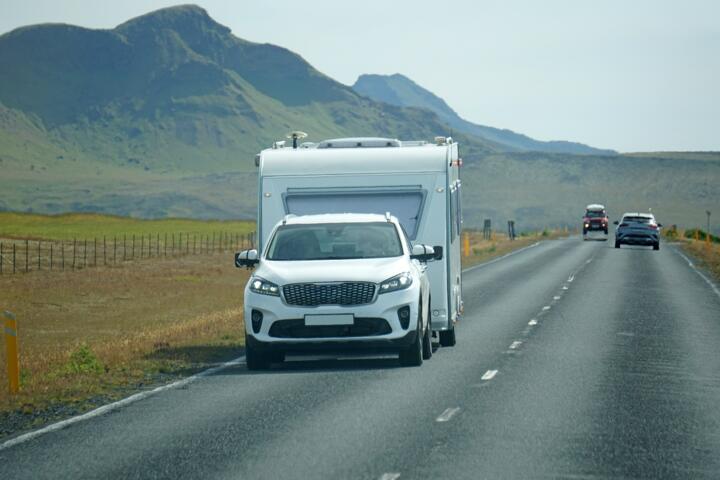
A family bought a midsize SUV with a towing rating that looked sufficient for a 6,000 lb travel trailer. They initially used a 4-pin wiring setup and relied on the trailer’s surge brakes only. On a 7% grade descent, they noticed longer stopping distances and more brake fade than expected, especially with passengers and luggage.
They upgraded to the correct factory wiring harness and added a brake controller matched to the vehicle’s towing mode. Result: stopping distances improved, and the trailer brakes ran cooler after repeated descents. Their fuel economy dropped by about 35% during towing, but the trip became predictable instead of stressful, which mattered more than squeezing mpg.
Towing Package Checklist
| Item to check | What to look for | Why it matters | How to verify |
|---|---|---|---|
| Receiver and hitch class | 2-inch receiver, correct class rating | Prevents fitment and rating mismatch | Build sheet or spec page |
| Trailer wiring | 7-pin if trailer has electric brakes | Brake signal and auxiliary circuits | Connector type + brake controller plug |
| Brake controller | Integrated or compatible harness | Controls trailer braking force | Manual + controller compatibility list |
| Cooling upgrades | Oil cooler and/or transmission cooler | Reduces overheating on grades | Cooling component list |
| Payload math | Tongue weight within payload | Prevents unsafe loading | Sticker + trailer spec |
| Stability control | Trailer sway control logic | Helps manage sway events | Owner’s manual towing section |
Common Mistakes and Fixes
Buying the package without checking payload is the fastest way to end up over the limit. It happens because tow ratings are printed on spec sheets, while payload depends on trim, wheels, and how the vehicle is loaded. The impact is reduced margin for braking and steering stability. Avoid it by weighing the vehicle with passengers and cargo, then weighing the trailer tongue with a scale.
Skip the “it has a hitch, so it’s ready” mindset. People add a receiver later and assume the wiring and calibration match. The impact shows up as missing brake controller functions or warning lights. Avoid it by confirming the vehicle’s wiring harness part number and whether towing mode exists for your exact engine and transmission.
Ignoring cooling upgrades causes repeat overheating complaints. It happens when a buyer chooses a trim that can tow on paper but lacks a transmission cooler. The impact is transmission temperature warnings and reduced performance on long grades. Avoid it by checking for an oil cooler and transmission cooler in the package description, then watching temperature behavior during a short test pull.
Overloading the trailer tongue weight is another common issue. It happens when people pack gear without measuring tongue weight, and it rarely matches the trailer manufacturer’s target. The impact is sway risk or reduced front-end grip. Avoid it by setting tongue weight first, then packing the trailer so the weight distribution stays stable.
Some buyers also forget that tires become part of the towing system. It happens when the vehicle uses load-rated tires for normal driving but not for sustained towing. The impact is faster tire wear and heat buildup. Avoid it by matching tire load index and inflation pressure to the towing load, then checking tire temperatures after a highway pull.
FAQ
Does a towing package include a hitch?
Most factory towing packages include a receiver hitch and the correct mounting hardware for the vehicle’s frame or unibody structure. Some packages include only the wiring and cooling upgrades, while the hitch is listed as a separate accessory. Verify the receiver size (commonly 2-inch) and the hitch class rating, then confirm the towing capacity is stated for your exact engine and axle ratio. If the listing is vague, ask for the build sheet or the hitch assembly part number before you sign.
Is 4-pin wiring enough for towing?
4-pin wiring typically covers tail lights, brake lights, and turn signals. It does not carry the brake controller signal needed for electric trailer brakes, so it’s usually not enough for a trailer with electric brakes. If your trailer uses surge brakes, 4-pin can still work for lighting, but braking performance depends on the surge system and trailer setup. Confirm your trailer’s brake type and connector requirements, then match the vehicle’s harness to it.
What cooling upgrades come with towing packages?
Cooling upgrades vary by vehicle, but factory packages commonly add a transmission oil cooler and sometimes an engine oil cooler or larger radiator. The goal is to keep transmission fluid temperature stable during sustained load, especially on grades. Some vehicles also change fan control strategy when towing mode is active. Check the owner’s manual towing section for “severe towing” guidance and confirm which coolers are included in your specific package.
Do towing packages change fuel economy?
Fuel economy changes mainly because towing increases aerodynamic drag and engine load, not because the hitch exists. A towing package can reduce overheating and help the transmission hold gears more predictably, which can indirectly improve efficiency versus a non-towing configuration that downshifts more. Real-world results vary by trailer shape, tire pressure, and how close you tow to the rating. Expect a noticeable drop when towing, and plan fuel costs using your route’s grades.
Can I add a towing package later?
Many components can be added after purchase, but the “later” part matters. A receiver can be installed, but wiring harness routing, brake controller compatibility, and calibration changes may require factory-level parts or dealer programming. Aftermarket hitch installs can also miss the correct grounding points, which leads to intermittent trailer light issues. If you’re buying used, verify what’s already installed by checking the connector type, the presence of a brake controller plug, and the cooling hardware.
Author's Insight
Towing packages are usually a bundle of heat management, wiring, and control logic, not just a hitch. The parts that reduce risk are often the ones buyers skip: transmission cooling, brake controller compatibility, and the way towing mode changes shift behavior. I’ve seen owners chase tow ratings while ignoring payload and tongue weight, then deal with sway or brake fade on descents. If you’re comparing two trims, read the towing section of the owner’s manual and match it to your trailer’s connector and brake type.
Final Thoughts
Start by matching your trailer’s needs to the vehicle’s package: receiver fit, 4-pin vs 7-pin wiring, and brake controller compatibility. Then do payload math using tongue weight and your planned passengers and cargo, because tow ratings do not cover every real loading scenario. Expect higher fuel use when towing, and plan maintenance around extra heat and brake wear. If you see overheating warnings, brake fade, or repeated stability control intervention, stop towing and have the cooling system, trailer brakes, and load distribution checked by a qualified shop.