Popular Articles
 Electric
23.09.2026
Electric
23.09.2026
What One-Pedal Driving Feels Like
One-pedal driving changes the way an EV slows down. Instead of moving your foot to the brake, you simply ease off the accelerator and the car begins to decelerate by blending regenerative braking with the regular friction brakes. This article breaks down what that “grabby” or smooth slowing sensation feels like, why it can differ from one model to another, and how factors like battery charge and temperature affect it. It also covers situations where one-pedal driving can be awkward—stop-and-go traffic, tight parking maneuvers, and slippery winter roads—along with practical steps to test it on a drive, common beginner mistakes to avoid, and a handy checklist for comparing systems before you buy.
 Electric
17.09.2026
Electric
17.09.2026
How Battery Warranties Work on EVs
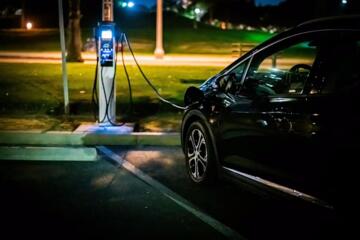
Battery warranties on EVs cover more than a “dead battery.” This guide explains how capacity-loss terms, defect coverage, and exclusions work in real leases and ownership. You’ll learn what triggers warranty claims, how charging habits and mileage affect eligibility, and how to compare coverage across models. Includes mini case examples, a checklist, and common mistakes that lead to denied claims.
 Electric
11.09.2026
Electric
11.09.2026
Why Public Charging Costs Vary So Much
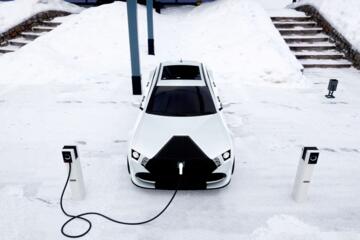
Public EV charging prices swing widely because networks price sessions differently: energy rates, time-based fees, idle charges, membership discounts, and taxes. Site details like demand charges, peak-hour multipliers, and charger power also change the math. Vehicle factors—battery size, charging curve, and whether you can use 150–350 kW—affect how many kWh you actually buy. This guide breaks down the drivers of cost variation and how to plan road trips without surprises.
 Electric
05.09.2026
Electric
05.09.2026
What an EV Heat Pump Adds in Winter
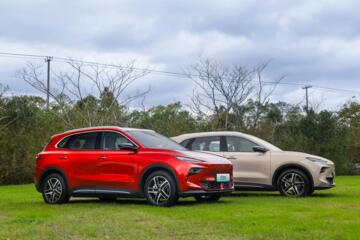
An EV heat pump can make a big difference in winter because it transfers heat rather than creating it the way traditional resistive heaters do. In this article, we break down what a heat pump adds to an electric car, when it delivers the biggest range and efficiency gains, and what to confirm before you buy. You’ll get a realistic look at cold-weather efficiency ranges, typical problem areas and failure points, and practical tips for charging and preconditioning when temperatures drop. We also cover upfront costs, warranty considerations, and common driver habits that quietly inflate winter energy use and electricity bills.
 Electric
30.08.2026
Electric
30.08.2026
How to Compare Two EVs Beyond Range
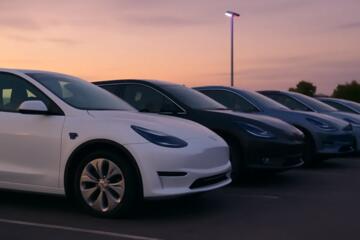
Comparing two EVs often turns into a range contest, but real ownership depends on charging behavior, efficiency under your speeds, battery protection limits, and total cost. This guide helps EV shoppers compare two specific models using practical tests, charging math, warranty terms, and daily usability factors like cabin space and child-seat fit. It also covers common mistakes and a checklist for test drives and home-charger planning.
 Electric
24.08.2026
Electric
24.08.2026
Why EV Resale Value Is Hard to Predict
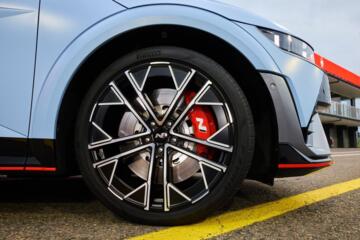
EV resale value is difficult to forecast because battery health, charging access, software updates, and shifting incentives change the used-car market. This guide helps EV buyers, fleet managers, and families estimate depreciation risk using practical checks: battery warranty terms, charging history, real range tests, and insurance or repair patterns. It also explains why two similar EVs can sell for very different prices, even with the same mileage.
 Electric
18.08.2026
Electric
18.08.2026
What Regenerative Braking Actually Does
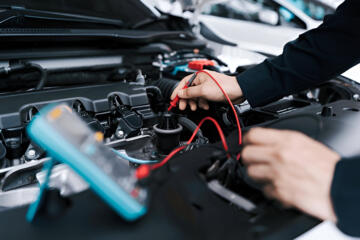
Regenerative braking turns some of a car’s slowing energy into electricity instead of wasting it as heat. This guide explains how it works in hybrids and EVs, why it feels different from friction brakes, and what limits it. You’ll learn what affects regen strength, how brake blending and traction control interact, and what to check in your vehicle settings so you can drive efficiently without surprises.
 Electric
12.08.2026
Electric
12.08.2026
How EV Maintenance Differs From Gas Cars
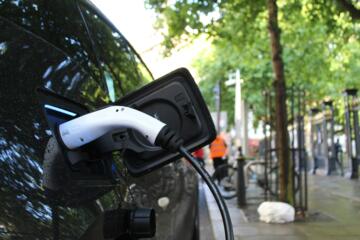
Electric vehicle (EV) maintenance diverges sharply from traditional gas cars, impacting costs and repair routines. This guide is for EV owners and enthusiasts seeking practical insights into upkeep differences, common challenges, and actionable tips to optimize vehicle lifespan. Addressing misconceptions about service needs, it clarifies why EVs require less frequent intervention yet demand unique attention in areas like battery care and software updates.
 Electric
06.08.2026
Electric
06.08.2026
What a Charging Curve Means for Road Trips
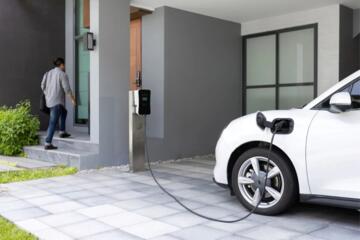
A charging curve is simply the pattern of how fast an electric vehicle takes power from a DC fast charger as the session goes on. It’s especially important on road trips because the first 10–30 minutes are often the “sweet spot,” when the car can pull the most kW. After that, charging speed usually drops as the battery gets fuller, so each extra percent can take longer. This article breaks down the concept in plain language, shows how different EVs and battery sizes affect real-world results, and offers practical tips for planning smarter stops so you spend less time waiting - and avoid paying for slow, inefficient charging.
 Electric
31.07.2026
Electric
31.07.2026
Why Home Charging Changes the Ownership Math
Home charging shifts the cost structure of an EV by changing where your energy dollars go, how often you pay retail electricity rates, and how much maintenance you avoid. This matters for buyers comparing EVs to hybrids and gas cars, and for anyone estimating monthly costs from a single “miles per charge” number. The article breaks down the real variables - charger setup, off-peak pricing, battery aging, and charging limits - so your ownership math matches how you actually drive.